The average morning skincare routine, as documented on the internet, involves between nine and fourteen steps. The average morning skincare routine recommended by dermatologists involves three. The difference is not a marketing trick. It is a fundamental disagreement about what skin needs and when.
After talking to four board-certified dermatologists and reading the actual clinical literature, here is the routine that comes up again and again.
The four steps that matter
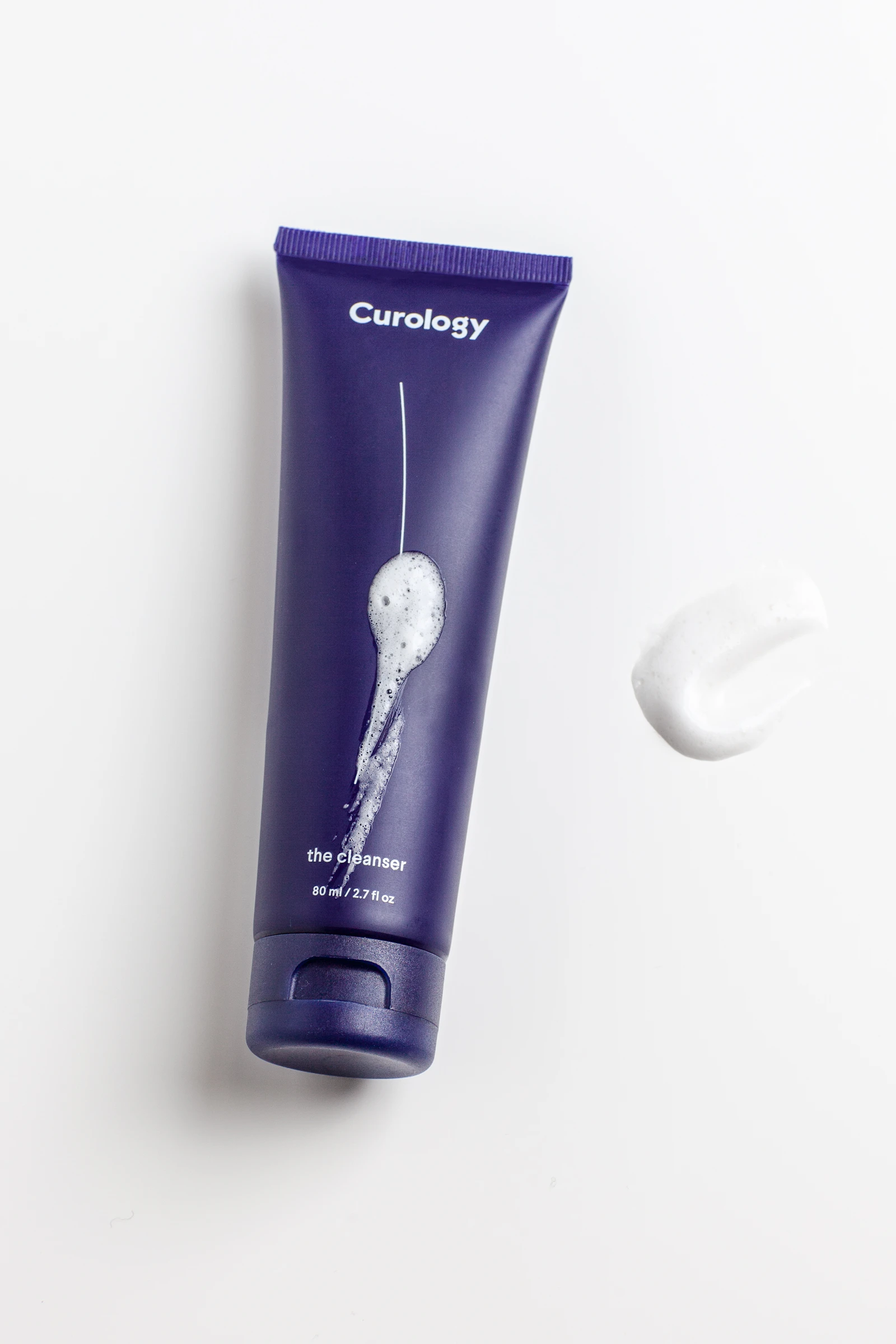
1. A gentle cleanser
Skin does not need a deep clean in the morning. Overnight, your face accumulates sebum, some product residue, and not much else. A mild, fragrance-free cleanser — or even just water, if your skin is dry — is enough.
Skip: anything with sulfates listed in the first five ingredients, anything that foams aggressively, anything labeled "deep purifying." These strip the barrier and force your skin to overproduce oil to compensate.
2. Vitamin C serum (optional but useful)
Vitamin C is one of the few topical ingredients with consistent clinical evidence for brightening and antioxidant protection. Apply it after cleansing and before sunscreen. Look for L-ascorbic acid at 10 to 20 percent, in an opaque bottle, ideally with vitamin E and ferulic acid for stabilization.
If you are not using vitamin C, you can skip straight to step 3. It is not required for skin health; it is required for skin radiance.
3. Moisturizer
This is the non-negotiable step. A good moisturizer — gel for oily skin, cream for dry, lotion for combination — keeps the barrier intact and makes every other product work better.
It does not need to be expensive. CeraVe, Vanicream, La Roche-Posay, and a dozen drugstore brands make perfectly adequate formulas. The single ingredient to look for is hyaluronic acid or glycerin as a humectant, plus ceramides or squalane as an emollient.
4. Sunscreen — every day, including cloudy days
This is the step dermatologists will not negotiate on. UVA rays penetrate clouds and windows. They cause 80 percent of visible skin aging. Daily SPF 30 or higher, applied as the last step of skincare, fifteen minutes before sun exposure, is the single most effective anti-aging intervention available.
Mineral sunscreens (zinc oxide, titanium dioxide) sit on top of the skin and reflect UV. Chemical sunscreens (avobenzone, octinoxate, etc.) absorb UV and convert it to heat. Both work. Mineral is less likely to irritate; chemical tends to feel lighter under makeup.
If you wear makeup, your SPF can be in your foundation. But it needs to be at least SPF 30 and applied at the labeled amount — most people apply about a quarter of what is needed.
What to skip in the morning
- Toners — most modern formulas are redundant with a good cleanser. If you use one, choose a hydrating one without alcohol.
- Essences — a marketing category invented to fill space between serum and moisturizer. Most are essentially very thin moisturizers.
- Eye cream — not necessary for most people under 40. Your regular moisturizer works fine around the eyes.
- Face oil — in the morning, oils interfere with sunscreen application and makeup. Save them for evening.
- Exfoliants — AHAs, BHAs, and retinol all increase sun sensitivity. They belong in the evening routine, not the morning one.
What about the evening?
The evening routine is where active ingredients belong. Cleanser, treatment (retinol, exfoliant, or both on alternate nights), moisturizer. That is it. Anything else is decoration.
The single most common mistake
Layering too many products and then wondering why skin is irritated. Inflammation is the enemy of every skin goal — fewer products, more consistency, more patience.
A simple routine done for six months will outperform an elaborate one done for two weeks. That is the boring, accurate, dermatologist-endorsed truth.